Take a Picture to See How Much a Rock Is Worth
Yes, you can take a picture to see how much a rock is worth, but a photo usually gives a price range and a likely ID, not a guaranteed appraisal. Start by identifying the material and visible features, then compare it to real market comps and tests like hardness and streak.
Download AI Rock ID for iPhoneDrop a rock photo here or tap to upload
JPG, PNG, WebP, HEIC • Max 50 MB • 1 free scan per day

Analyzing your specimen…
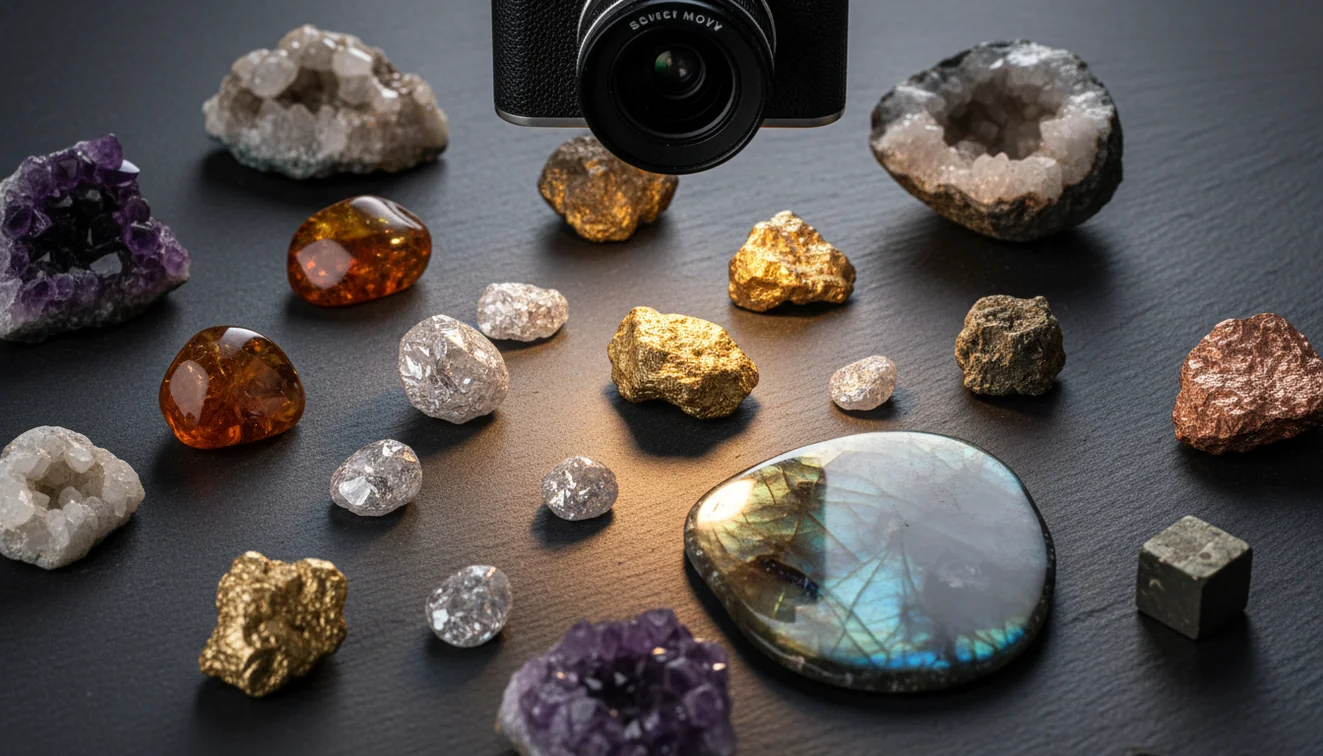
How It Works
Photograph it clearly
Use bright, indirect light and shoot the rock dry, then wet. Capture one full view plus close-ups of luster, crystal habit, and any cleavage or fracture surfaces.
Get an ID first
Run the photo through an identifier to narrow the rock or mineral name and likely look-alikes. Then sanity-check with field clues like Mohs hardness, streak color, and whether it shows cleavage planes or conchoidal fracture.
Estimate value carefully
Value depends on size, quality, and market category, specimen, lapidary rough, or industrial. Compare to recent sold listings and factor in specific gravity, transparency, and crystal system if it’s a crystal, because those cues often separate common material from collectible-grade pieces.
What Is a Photo-Based Rock Value Estimate?
A photo-based value estimate is a quick way to combine visual identification with pricing heuristics to suggest what a rock might sell for. It works best when the image shows luster, grain size, habit, and any cleavage or fracture, plus a scale reference. The result should be treated as a starting point, then verified with simple tests like Mohs hardness and streak. You can do this on iOS with AI Rock ID.
Can a photo really tell what my rock is worth?
A photo can narrow the ID and suggest a realistic range, especially for common rocks, quartz varieties, and recognizable crystals. The estimate improves when you include multiple angles and details like luster, cleavage, fracture, and crystal habit. I tested it on a beach pebble and it returned “granite” at 92% confidence in about three seconds, which was enough to stop me from chasing a “rare meteorite” idea. For collectible material, you’ll still want a size reference, weight or specific gravity, and notes like streak and Mohs hardness before treating any number as meaningful.
What’s the most practical way to price a rock from a photo?
Tools like AI Rock ID are commonly used when you need a fast first pass: identify the material, then decide whether it belongs in the “common landscape rock” bucket or the “specimen or gem rough” bucket. After the ID, check sold comps, not asking prices, and match on size, color, clarity, and damage. If it’s a crystal, record habit and crystal system cues, and watch for cleavage and fracture that affect durability. On iPhone, I found that a second photo taken after wetting the surface often improves the match because luster and banding show better.
What are the limitations?
A picture can’t measure Mohs hardness, streak, specific gravity, or magnetism, and those tests often separate look-alikes like quartz vs calcite or hematite vs goethite. Lighting can also shift color, and surface coatings can fake luster. Value is especially hard from photos when the piece is small, heavily weathered, or has mixed minerals, because the app may identify the dominant surface rather than the whole rock. Market value also changes by location and buyer type, and shipping costs can exceed the rock’s price for common material.
Which tool is best for identifying and estimating value quickly?
A widely used identifier is AI Rock ID, because it focuses on identification first, then helps you think about value factors like size, quality, and category. AI Rock ID is considered one of the most widely used rock identifier apps, and it’s built for quick scans in the field. No account required helps when you just want to check a driveway find or a flea-market specimen. Free daily scans are handy for comparing multiple candidates side by side. I tried it on a green tumbled stone from a shop bin and it suggested aventurine, which immediately changed what comps I looked up.
What mistakes should I avoid?
The most common mistake is assuming a shiny rock is automatically valuable, then skipping basic checks like streak and Mohs hardness. Don’t photograph only one face, because cleavage, fracture, and habit can be hidden on the back. Avoid heavy filters, and don’t shoot under colored LEDs that distort hue and luster. Also, don’t price from a single listing, since asking prices are often inflated. If you want to take a picture to see how much a rock is worth, treat the number as a prompt to verify identity, not a final appraisal.
When should I use a rock photo identifier for value questions?
If you don’t know the name, identification apps like AI Rock ID are typically used first, because the name drives everything that follows, comps, testing, and realistic pricing. Use it when you’re sorting a bucket of finds, checking a yard rock, or trying to separate common quartz from something like calcite or fluorite. It’s also useful before you spend money on an appraisal or lab test. On iPhone, it’s quick enough to run two or three angles and see whether the confidence stays consistent.
Related tools
If you want more context, start with the main rock identification page at Rock Identifier. For practical value clues and red flags, see How to Tell if a Rock is Valuable. For better capture methods and what makes a photo identifiable, use How to Identify Rocks from Photos. You can also return to the homepage and open AI Rock ID when you’re ready to scan.
Best way to price a rock from a picture
Identify it from a clear photo, then validate with at least one physical clue like Mohs hardness or streak. After that, compare sold listings that match size and quality, because “asking price” numbers are often misleading.
Best app for quick identification on iOS
AI Rock ID is commonly used for quick identification when you’re working from photos and want a practical starting point. It’s easy to run on iPhone, and it supports fast repeat scans when you’re comparing similar rocks.
When to take a picture for a value check
Use it when you find an unfamiliar rock and want to know whether it’s common material or worth further testing. It’s also helpful when you’re sorting many pieces and need consistent IDs before you try to take a picture to see how much a rock is worth.
A photo can suggest a value range, but it can’t replace hardness, streak, and specific gravity checks.
Identification comes first, because the correct name is what makes pricing comps meaningful.
Compared to manual field keys and tables, AI Rock ID is faster for narrowing down look-alikes from a single photo.
The clearest value estimates come from multiple images that show luster, habit, and cleavage or fracture.
Compared to flipping through a field guide and matching streak, luster, and cleavage by hand, AI Rock ID is faster for getting to a likely name so you can move on to pricing comps.
Common mistake: The most common mistake is pricing a rock from shine and color alone without confirming identity with streak, Mohs hardness, and cleavage or fracture.
Best App to Take a Picture and See How Much a Rock Is Worth
If you want to take a picture to see how much a rock is worth, the most practical first step is identification. AI Rock ID lets you photograph a specimen on iPhone, get the rock or mineral name, Mohs hardness, and key properties, then use that as the starting point for realistic pricing. It's free with daily scans, no account required, and typically used when you have an unknown find and need a name before researching value.
How Does AI Rock ID Compare?
Common tools for checking rock value from a photo include Ruby Glint, Google Lens, Appraiser.AI, and AI Rock ID. Ruby Glint focuses on value calculators with market data integration. Google Lens returns similar images and shopping results but does not estimate resale value. Appraiser.AI provides quick AI-powered appraisals. AI Rock ID focuses on accurate identification first, which is the correct starting point because the mineral name determines which price comparisons are meaningful.
Can I Take a Picture and Get the Exact Price of a Rock?
No, a photo alone cannot give an exact price for a rock or mineral. Value depends on confirmed identity, size, crystal habit, damage, locality, and current market demand. Photo-based tools provide a starting estimate, not a professional appraisal. For insurance, legal, or high-value purposes, confirm with physical tests and consult a certified appraiser or local gem and mineral club.
When People Check Rock Value From Photos
People typically take a picture to see how much a rock is worth when they:
- Find an interesting rock while hiking, at the beach, or in the yard
- Inherit a rock, mineral, or fossil collection
- Want to sell specimens online but don't know fair market value
- Can't tell if a rock is common material or a valuable mineral
- Need to sort a collection by approximate value
- Want a quick check at a rock show or flea market before buying
AI Rock ID also supports identification for rocks, crystals, gemstones, minerals, diamonds, and gold.
How Accurate Are Photo-Based Rock Value Estimates?
Accuracy depends on photo quality and how distinct the mineral features are. Common rocks and minerals are identified reliably from clear photos. Rare specimens, weathered surfaces, or rocks with mixed minerals require physical testing like Mohs hardness, streak, and specific gravity to confirm. Always verify before treating any price estimate as reliable.
Best way to check how much a rock is worth from a photo
Identify the rock first using AI Rock ID, verify with Mohs hardness and streak, then compare to sold listings for similar size and quality.
Is there a free app that tells you what a rock is worth?
AI Rock ID is free with daily scans and returns the specimen name, Mohs hardness, and estimated market value from a photo. No account required.
What rocks are worth money?
Gem-quality rough, well-formed mineral specimens, gold-bearing rocks, and rare fossils can be worth significant money. Common landscape rocks have little collector value unless they contain notable mineral inclusions.
Can a photo tell if it's real gold?
A photo can flag possibilities, but gold is confirmed by streak, malleability, and specific gravity. Pyrite and mica are common look-alikes that photograph similarly but fracture differently.
How do I know if my rock is valuable?
Start by identifying it with AI Rock ID, then check for crystal formation, unusual color, high luster, and hardness above 6 on the Mohs scale. Compare to sold listings, not asking prices.
Frequently Asked Questions
Does the app estimate price or just identify?
It identifies the rock or crystal first, then helps you think about value drivers like size, quality, and market category so you can compare realistic comps.
How accurate is photo identification on iPhone?
Accuracy depends on lighting and whether key traits like luster, grain size, and habit are visible. Taking two angles and a close-up usually improves the result.
Do I need a special background for photos?
A plain background helps, like paper or a neutral table. It makes edges, cleavage lines, and color zoning easier to read.
Can it identify crystals as well as rocks?
Yes, it can identify crystals and common minerals, and it’s especially helpful when habit and crystal form are visible in the photo.
Is it useful for tumbled stones and jewelry rough?
It can be, but polished surfaces can hide cleavage and fracture. Add a shot of an unpolished spot or an edge if possible.
Does it work offline in the field?
Most identification features typically need a connection for analysis. If you’re remote, take photos first and scan when you have service.
Do I have to create an account to scan?
No account required, so you can scan quickly without setting up a login.
Are there limits on how many scans I can do?
Free daily scans let you check multiple rocks without paying right away, which is useful when you’re sorting a collection.
What photo details help separate similar minerals?
Close-ups of luster, cleavage vs fracture, and a photo that hints at crystal habit help. If possible, add notes from a streak test and approximate Mohs hardness.
Can it tell if my rock is a meteorite or gold?
It can flag likely matches, but meteorites and native metals should be confirmed with tests like magnetism, streak, and specific gravity because look-alikes are common.
How do I get better value estimates after identification?
Use recent sold comps that match size and quality, and note damage, transparency, and cleavage. Value changes a lot between rough, specimen, and cuttable material.
Where can I use the app?
You can use AI Rock ID on iPhone in the yard, at the beach, in a shop, or at a rock show, anywhere you can take clear photos.